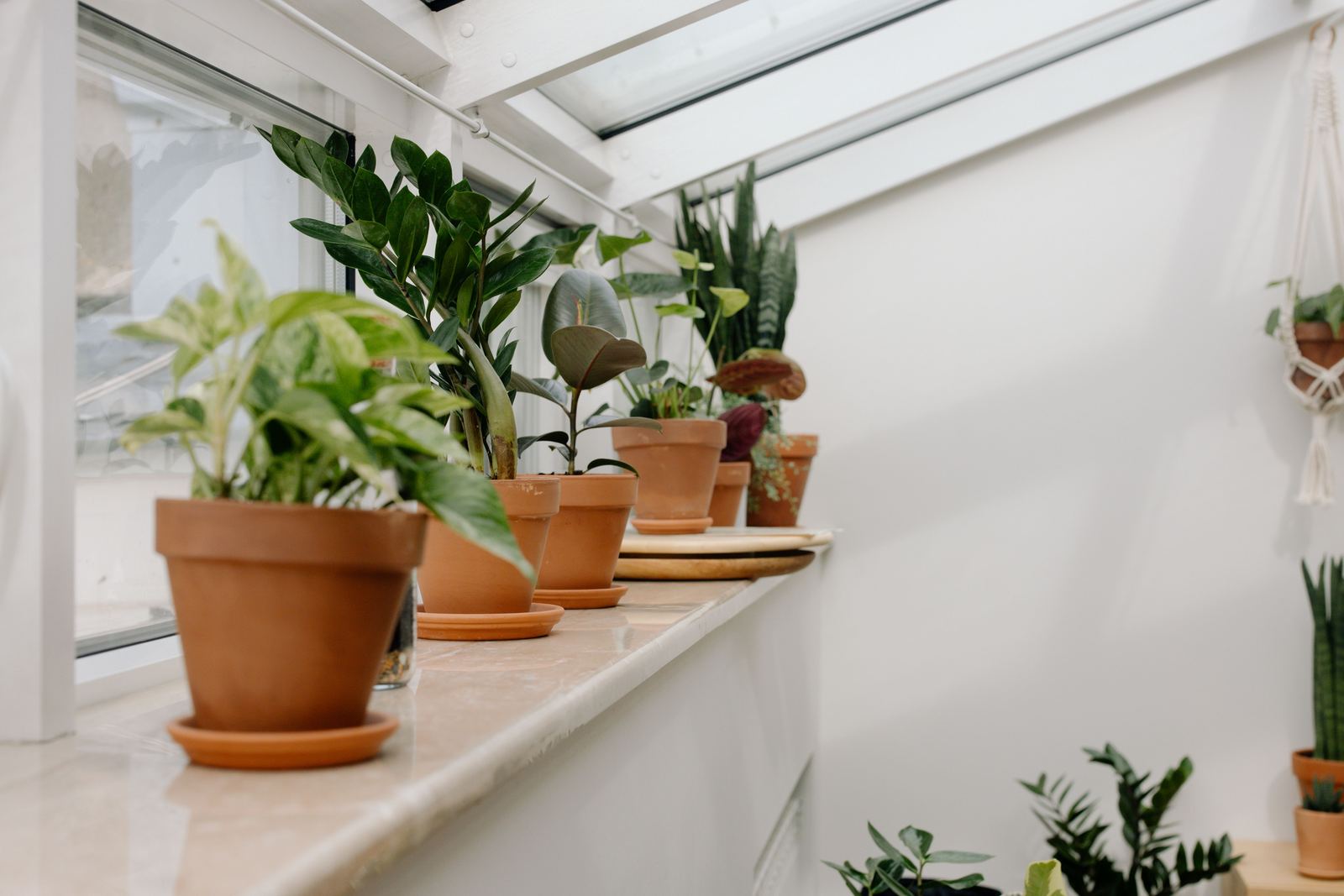
Plants themselves rarely cause deposit disputes. What actually gets charged is water damage, floor stains, and pest issues that plants can indirectly cause if you're not careful — and knowing the difference between "normal wear and tear" and chargeable damage helps you avoid all three.
The legal line: wear and tear vs. damage
Most jurisdictions draw a consistent line: normal wear and tear covers things like minor fading, small scuffs, or slight discoloration from sunlight — the ordinary result of living somewhere. Damage covers things that go beyond ordinary use: deep stains that won't clean out, holes, burns, or water damage. For plant owners, the practical risk sits almost entirely on that second category — specifically water and staining, not the plants themselves.
Water stains — the real risk
A consistently overwatered plant, or a pot without a saucer, can leave a water ring or stain on wood floors, carpet, or windowsills over months of repeat watering. This is the single most preventable plant-related deposit issue. Always use a drainage saucer under every pot, and empty it after watering rather than letting a pot sit in standing water — pooled water is what actually causes staining and, over time, can warp wood flooring.
Pots that scratch or dent floors
Heavy ceramic or ridged plastic pots can scratch hardwood or vinyl flooring if dragged rather than lifted, especially larger floor planters. Felt pads under any pot that sits directly on flooring are a cheap, effective habit — the same idea as felt pads under furniture legs. Or sidestep the floor risk entirely: our no-damage guide to hanging plants covers no-drill methods that keep heavier pots off the ground altogether.
Pest risk
Overwatered soil and standing water in saucers are genuinely attractive to gnats and other small pests — a real, if often overlooked, way a plant habit can contribute to a pest problem you'd otherwise have to disclose or address before moving out. Letting soil dry appropriately between waterings (most houseplants prefer this anyway) reduces this risk along with the water-stain risk above.
Document before you move in
Before bringing in any plants, it's worth taking dated photos of your floors, windowsills, and walls as they are on move-in day — the same habit any move-in checklist recommends regardless of plants. If a stain or mark is later disputed, having a clear "before" photo protects you either way.
The quick habit list
- Saucer under every pot, always
- Empty saucers after watering — don't let pots sit in standing water
- Felt pads under heavier or ridged pots on hard flooring
- Let soil dry appropriately between waterings to reduce pest risk
- Photo-document floors and walls before moving plants in
Leafling Plants is reader-supported. This article may contain affiliate links — if you buy through them, we may earn a commission at no extra cost to you. This article is general information, not legal advice — security deposit rules vary by location, so check your local tenancy laws or lease agreement for specifics.