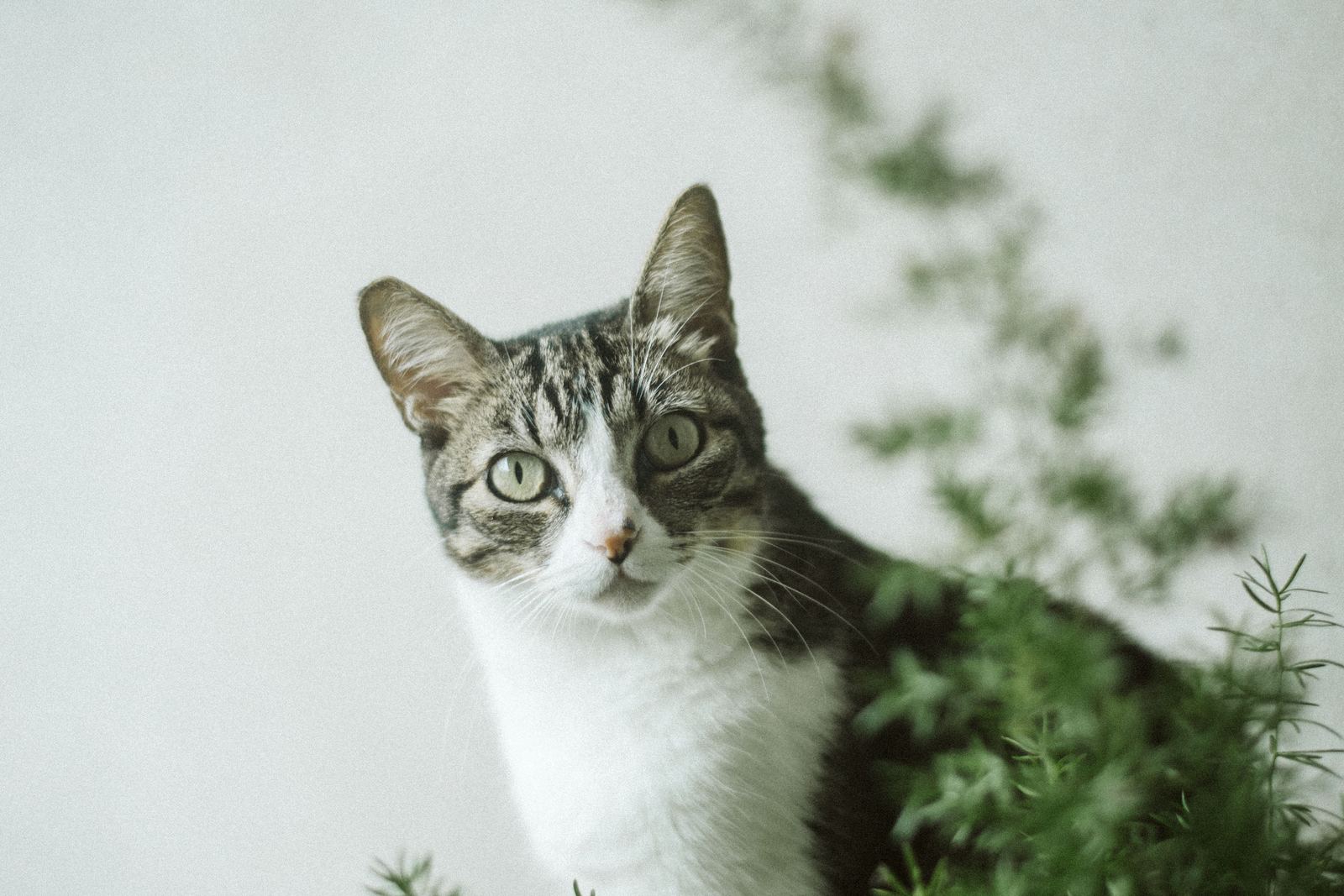
Most "low light plant" lists get written against ideal greenhouse conditions, not the north-facing corner of a real apartment. Worse, the two plants that show up on almost every low-light roundup — pothos and snake plant — are both toxic to cats and dogs. So if you searched for this because you have a dim apartment and a curious pet, most existing advice quietly fails half your search.
Every plant below actually tolerates low light and is confirmed non-toxic to cats and dogs. We're not listing "generally safe" plants — we mean genuinely fine if chewed on. If your apartment gets genuinely zero natural light rather than just dim light, even these tough plants will eventually need help — our guide to grow lights for dark apartments covers renter-friendly options for windowless rooms.
1. Parlor Palm
Chamaedorea elegans
The classic low-maintenance pick for dim rooms — it doesn't ask for much light or frequent watering, which makes it forgiving for anyone new to apartment plants. Non-toxic to cats and dogs.
2. Calathea
Calathea spp.
Patterned, striking leaves that fold up at night — a good pick if you want something more visually interesting than a plain green plant. Handles low light well and is safe around pets, though it likes consistent humidity.
3. Bird's Nest Fern
Asplenium nidus
One of the "true ferns" considered safe for pets, alongside Boston, button, maidenhair, and sword ferns. Prefers a humid spot with indirect light and evenly moist soil — a bathroom with a window is often ideal.
4. Spider Plant
Chlorophytum comosum
A near-indestructible beginner plant that tolerates being ignored in a dark corner and is completely non-toxic to pets. A common first plant for good reason — hard to kill, easy to propagate.
5. Cast Iron Plant
Aspidistra elatior
Lives up to its name — tolerates very low light and an inconsistent watering schedule better than almost anything else on this list. One of the few genuinely tough low-light plants that's also pet-safe.
6. Prayer Plant
Maranta leuconeura
Named for the way its leaves fold up at night like praying hands. Distinctive patterned foliage, tolerates lower light than most houseplants, and is non-toxic to cats and dogs.
7. Boston Fern
Nephrolepis exaltata
A lush, cascading fern that does well in hanging baskets — good for adding greenery without using floor space. Safe for pets, but wants more humidity than a dry apartment naturally provides, so occasional misting helps.
8. Peperomia
Peperomia spp. (Baby Rubber Plant, Watermelon Peperomia)
A large, forgiving family of plants that store water in thick, fleshy leaves — genuinely drought-tolerant and low-light tolerant, not just "can survive it." Compact enough for a desk or windowsill. Non-toxic to cats and dogs.
9. Friendship Plant
Pilea involucrata
Handles a genuine range from low to bright indirect light, with distinctive quilted, patterned leaves. Easy to divide and share cuttings with friends. Non-toxic to cats and dogs.
10. Bamboo Palm
Chamaedorea seifrizii
Thrives in low to medium light and brings a tropical, fuller look than most low-light options on this list. Pet-safe and a good pick if you want more visual presence than a small tabletop plant.
11. Nerve Plant
Fittonia albivenis
Small, low-growing, and genuinely happy in low to medium light with striking veined foliage. Likes consistent humidity — a bathroom or kitchen windowsill suits it well. Non-toxic to cats and dogs.
12. Money Tree
Pachira aquatica
Adapts well to low light despite its more substantial, tree-like look — a good option if you want something with real height and presence rather than a small tabletop plant. Non-toxic to cats and dogs.
What to avoid
Two plants dominate almost every generic "low light" list and both are genuinely dangerous to pets if chewed: pothos and snake plant. If a low-light guide doesn't mention pet safety at all, assume it's including these two.
Leafling Plants is reader-supported. This article may contain affiliate links — if you buy through them, we may earn a commission at no extra cost to you. We only recommend plants and products we'd genuinely put in our own apartment. Always cross-reference any new plant with the ASPCA's toxic and non-toxic plant list before bringing it home, since individual sensitivities can vary.